
What you’ll get from this article: An argument for having more Magical Realism in your life, to bring back a sense of wonder and play.
No AI was used to write, edit, or otherwise modify this article. Which may mean the article is worse, but at least it’s genuine.
So, I like rocks.
Enough to go to conventions, build lights into tables to showcase the best ones, and prioritize camping trips around where cool specimens might be. I have a pretty wide variety, and read rock textbooks to learn more about them, building my mental world map of Rockdom even larger.
But why do I like rocks? I have no idea.
And more importantly, I have no desire to really know. I think the desire to know why I like rocks is adult life trying to squish down a childlike part of me, trying to fit order and continuity around free expression.
And I refuse to let that happen. I unshoulder that burden of knowledge when I feel it sneak up, and live on pure impulse in the sphere of rocks. Which is kind of strange for me, because in every other facet of my life, I try to deeply understand myself. With many other motivations, fears, and values, I’ll follow the lines back into my past and far into my future, piecing together why a specific thought pattern made its way into my head.
But for some specific circles of interest, I preserve magical realism. My favorite piece in the collection is a purple fluorite cluster with green swirls in it. Something about the swirls and the hues just hums to my soul and gives a sense of a mystical, otherworldly object. A drop of weird in my uniform, Amazon Prime-enriched, productive, commercial life.
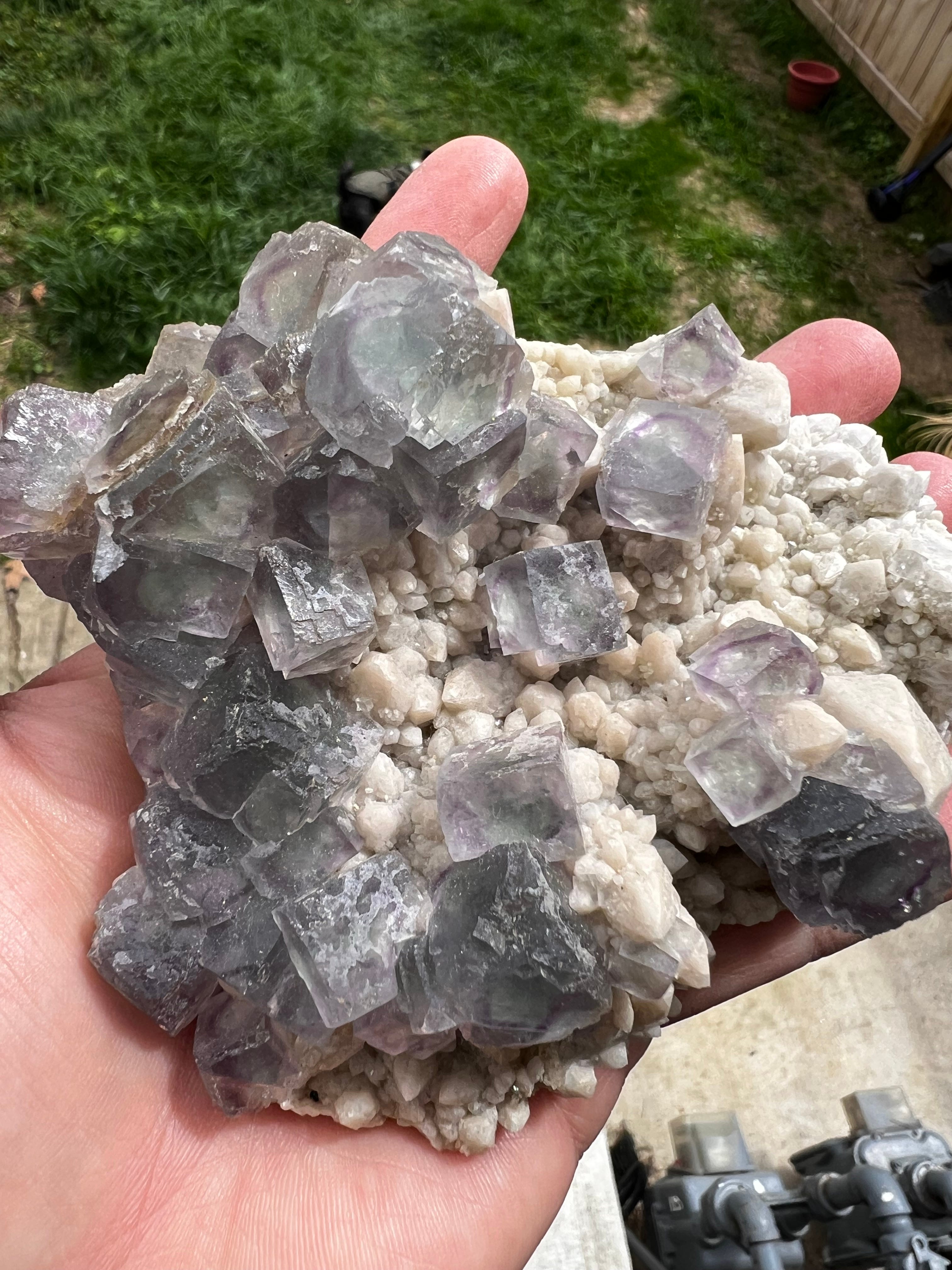
The rocks feel so tangible, so of-the-earth, so permanent. Holding them feels weighted and grounding. They look cool, they feel cool, some of them even smell cool. Barring sound, they please all of my senses (I’m counting salt being delicious) and the shallow depth of appreciation here is enough for me.
I’ve taking to letting magical realism slowly take its own form in my life, and to entertain whimsical little thoughts that I simply don’t care to have disproven.
Things like giving the bees personalities based on what flower they chose, or having math be a language of an alien race. The world has started to become alive in unexpected ways, and small details become secrets that I caught a lucky glimpse of.
Without a narrative, life becomes just a series of checkboxes and actions, but a story gives it soul.
This sense of wanting more magic hit deeply when I read Bill Watterson’s most recent book ‘The Mysteries’. Bill Watterson is the creator of the daily comic Calvin and Hobbes, which meant so much to me as a child that I got a tattoo. But The Mysteries is different.
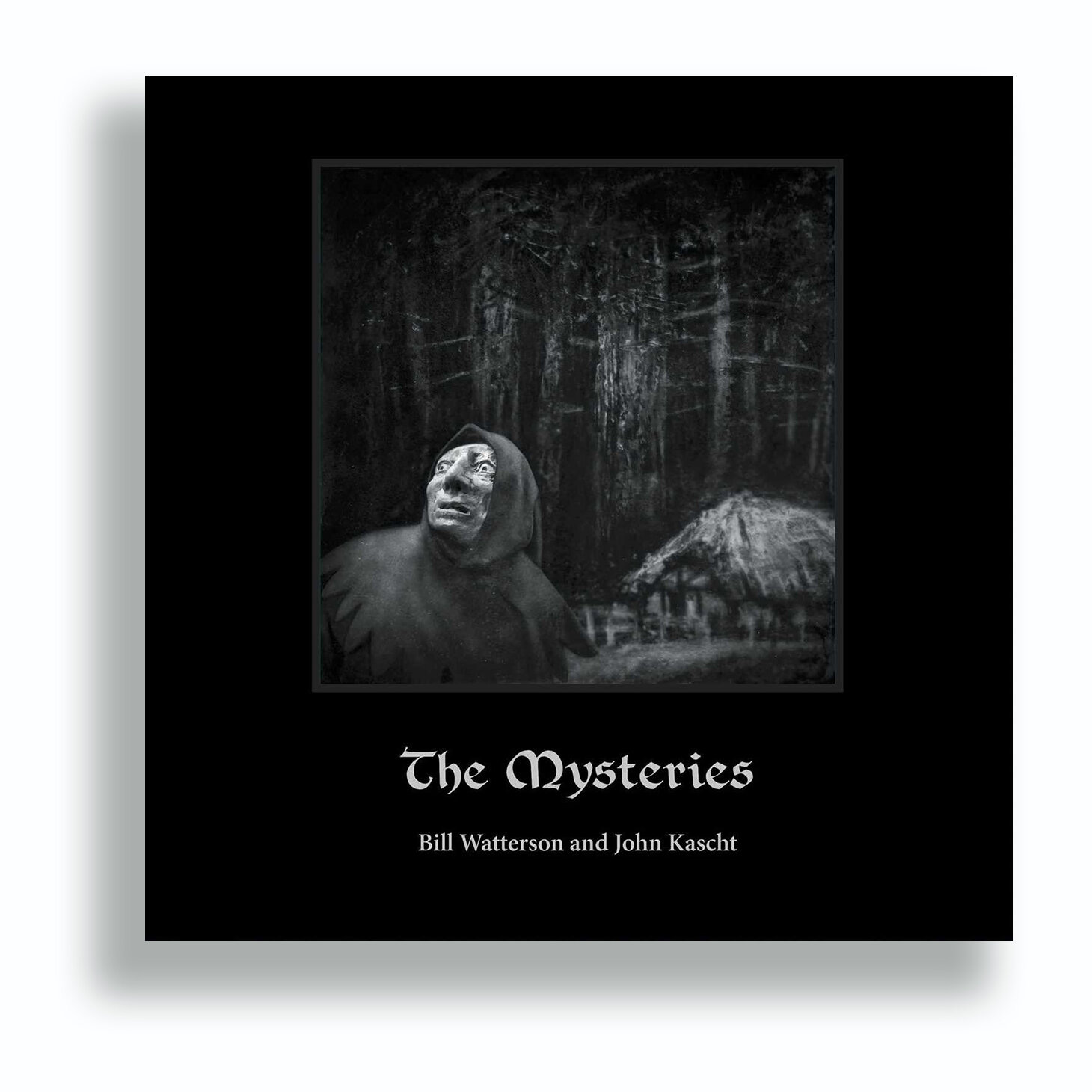
The visuals give a liminal space vibe, creepy in a way I can’t quite name. They’re a bit like Claymation, but in black and white stills. The whole book has a sense of otherworldliness, but it reflects our own. In the story, people begin by knowing the cause of nothing, and attributing the reason for occurrences as just ‘the mysteries’ doing their thing. Over time, technology solves all of the mysteries and life becomes very bland. Reason becomes a blockade to wonder, and I’ve heard this described other places as the magic of having to go to a book or expert to hunt down information getting replaced by a phone that knows everything, making the pursuit of that knowledge less valuable. And this in turn makes the journey to knowledge less valuable, shutting down the magic of curiosity. Knowledge is transformed only into productivity.
For me, there are quite enough boxes to check of knowing things which leads to the need to know more things. I don’t want to know everything. I want to keep some mystery alive.
So I choose to believe in the magic. Let the mysteries do their thing.